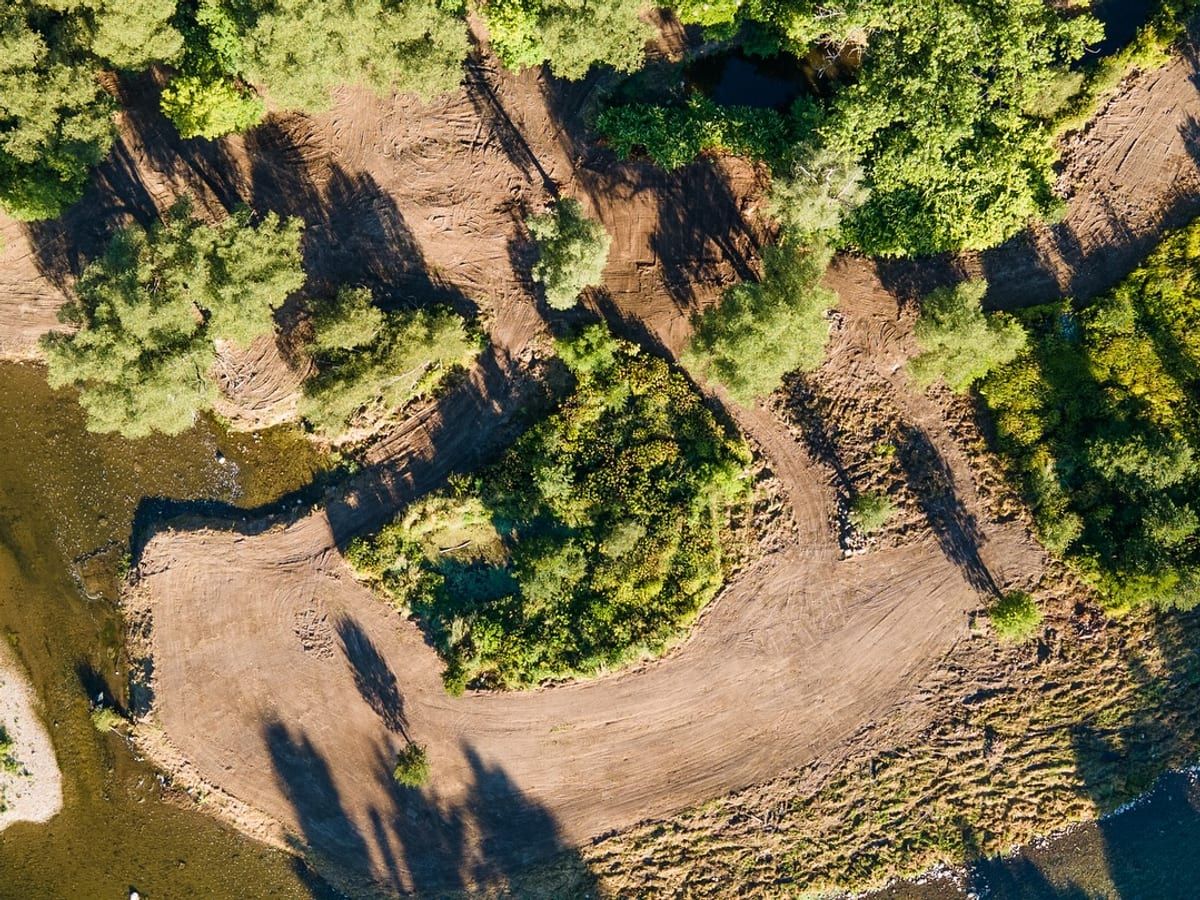
Excavation · County of Brant · September 2025
Five acres of overgrown bush cleared and seeded
Nearly five acres of overgrown bush cleared, mulched and soil-conditioned, then seeded for grass after more than 20 hours of tractor time.
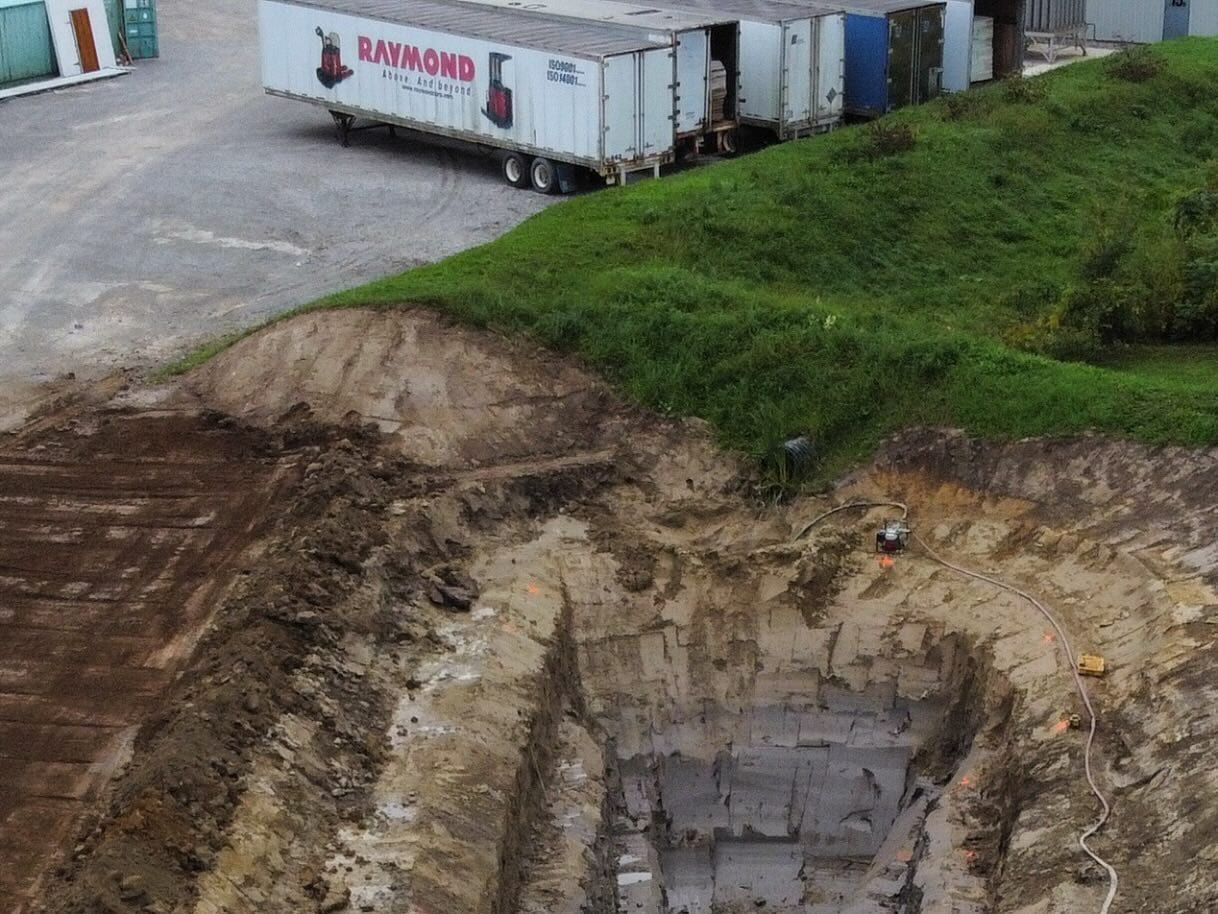

Excavation
New gravel lanes, parking-lot bases and repairs to washed-out driveways, built on a packed base with a crown that sheds water.
5.0 on Google · 7 reviews · Since 2023 · Locally owned, Paris, ON · 50+ projects completed
A gravel driveway lasts as long as its base and its drainage. When either one is wrong, you get ruts, potholes and gullies after every heavy rain. We build new gravel lanes and parking areas and repair the ones that have washed out.
We start by digging out the topsoil and any soft ground, because gravel laid on topsoil sinks. Then we build the base in layers of crushed stone, packing each one, and finish with a top course of Granular A. The surface gets a crown or a cross slope so rain runs off the side instead of down the middle. We build shop yards, farm laneways and gravel parking lots the same way.
Steep lanes are the hardest to keep. One customer called us after heavy spring rains tore gullies down a very steep gravel driveway, with a special event coming up. We looked at where the water came from, fixed what could not wait and planned the rest around the budget. The repairs held through the rains that followed. Most washout fixes come down to turning the water off the driveway with a crown, a berm or a ditch, then rebuilding the base.
Where water crosses a driveway, it needs a way under it. We regrade ditches, add swales and set pipe where it is needed. For bigger water problems, our drainage crew can dig a proper outlet.
Even a good gravel driveway needs care. Every few years it needs a fresh layer of stone and a regrade to bring back the crown. We spread, grade and pack the new stone so it does not just roll into the ruts.
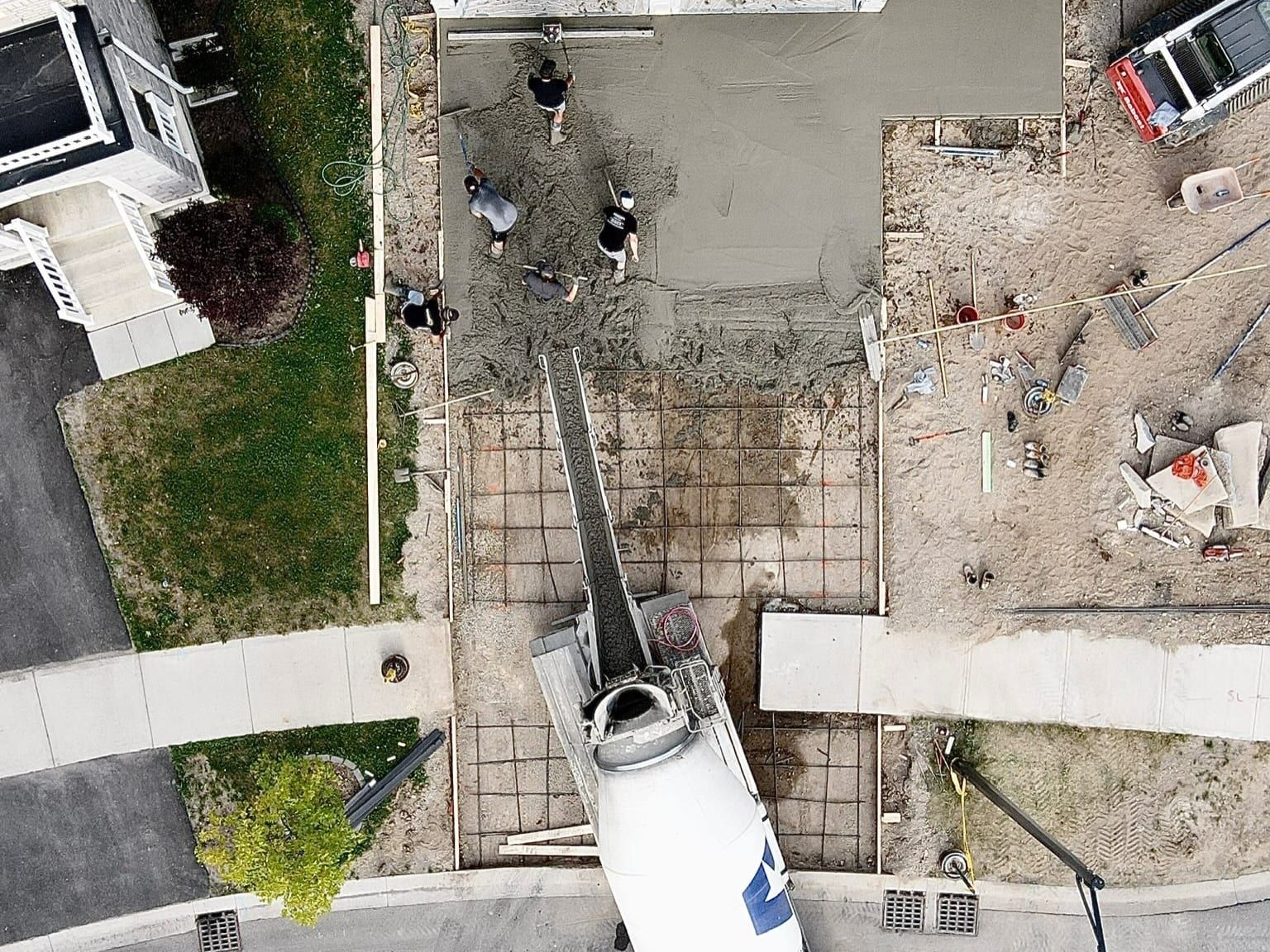
Gravel is also the start of every concrete driveway and pad. We build the base for the pour so the slab sits on a firm, well-drained bed. If you are thinking about concrete, our sister company pours it on the base we prepare.
Most driveways need 150 to 300 mm of packed gravel. Firm, sandy ground and car traffic sit at the low end. Clay, wet spots and heavy trucks or farm equipment need the high end, sometimes more.
Usually. Washouts happen when water runs down the driveway instead of across it. We regrade with a crown or cross slope, turn the water off the driveway with a ditch or berm, and rebuild the damaged base. We tell you what has to be fixed now and what can wait.
Gravel costs less up front, suits long rural lanes and is easy to patch. Concrete costs more but needs little upkeep and looks finished. Some people keep the long lane in gravel and pour a concrete pad near the house.
01
Tell us what you need. A few phone photos of the site help us give you a straight answer fast.
02
We come out, measure, check access and drainage, and talk through options that fit your budget.
03
You get a clear written quote with scope, timing and price before any work starts.
04
One crew handles excavation, base prep and concrete, so nothing falls between contractors.
05
We leave the site clean and walk you through the finished work and how to care for it.
Excavation · County of Brant · September 2025
Nearly five acres of overgrown bush cleared, mulched and soil-conditioned, then seeded for grass after more than 20 hours of tractor time.
5 out of 5 stars
Curtis runs a very professional and efficient business.
Excavation
Free on-site estimates. No pressure. We reply within one business day.
Excavation
Driveways poured on a proper compacted base, with the right mix and control joints, so they survive freeze-thaw winters.
Topsoil stripped and saved, rough and final grade set with a laser, and the ground sloped so water leaves the house. For new lots and older yards.